
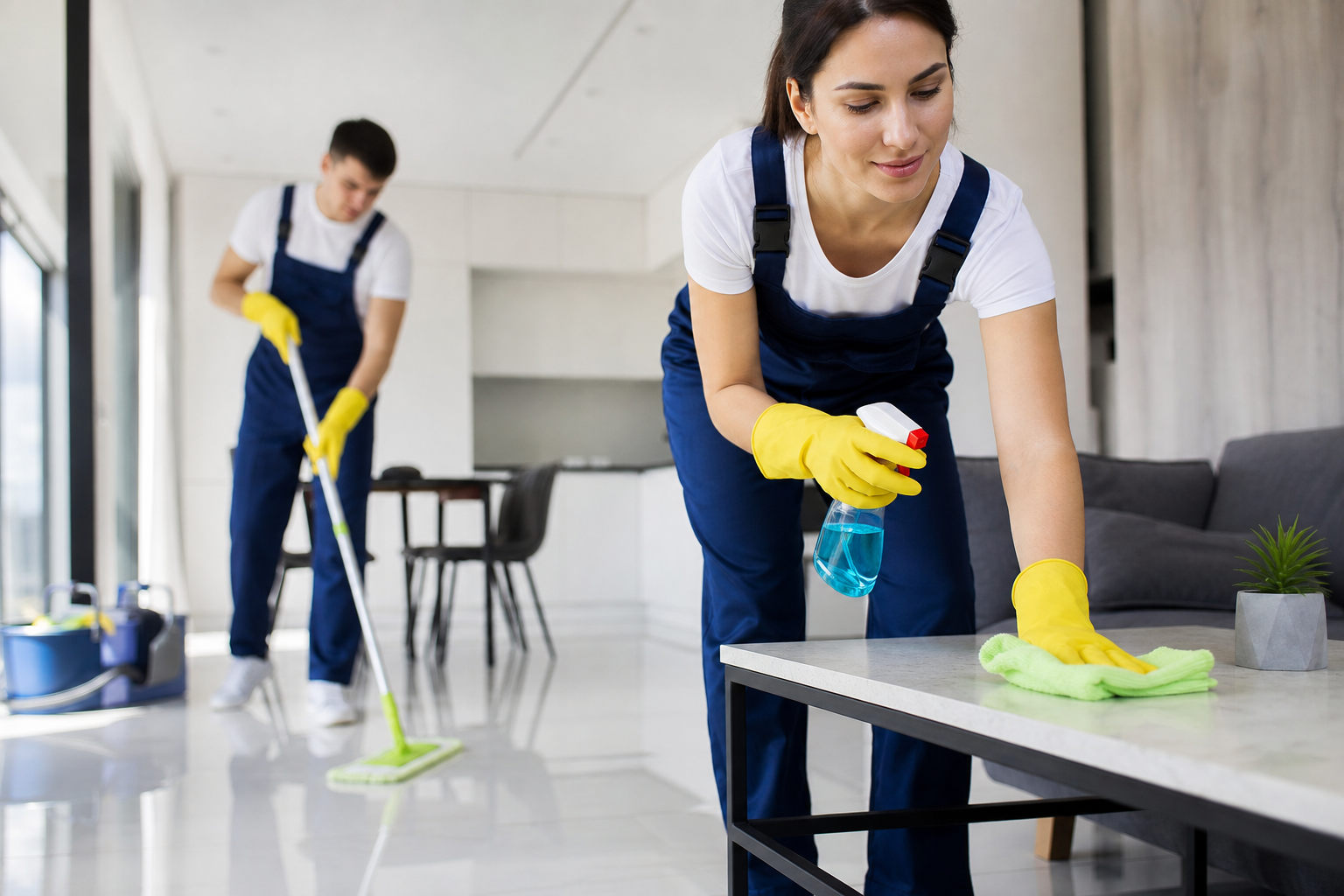
In the dynamic world of property management, property management cleaning plays a crucial role in maintaining the appeal, safety, and overall satisfaction of tenants and visitors. Whether managing residential complexes or commercial spaces, implementing effective cleaning protocols ensures spaces remain inviting and hygienic. This article explores practical considerations and seasonal guidance to help property managers optimize their cleaning strategies.
Why Property Management Cleaning Matters
Regular, thorough cleaning impacts tenant retention, property value, and the overall ambiance of any managed property. Clean environments reduce health risks and create a positive impression for prospective tenants or clients. By partnering with professional cleaning services like Brighter Cleaning Services, property managers can customize cleaning plans that address unique property needs.
Key Components of Property Management Cleaning
1. Common Area Maintenance
High-traffic areas such as lobbies, hallways, elevators, and shared amenities require frequent cleaning to prevent buildup of dirt and germs. Regular sanitization of touchpoints like doorknobs, handrails, and elevator buttons is vital to maintain hygiene standards.
2. Individual Unit Turnover Cleaning
Whether preparing for new tenants or conducting routine maintenance, detailed cleaning of individual units is essential. This often includes thorough dusting, vacuuming, surface disinfection, and attention to kitchens and bathrooms. For deeper cleaning needs, services like Residential Deep Cleaning Services can be scheduled.
3. Outdoor and Shared Facility Upkeep
Exterior spaces such as parking lots, walkways, and recreational areas also require regular cleaning to enhance curb appeal and safety. Seasonal debris removal and surface cleaning prevent hazards and keep these areas welcoming.
Seasonal Considerations for Property Management Cleaning
Seasonal changes greatly influence cleaning priorities. For instance, winter months may call for increased attention to salt and snow residue in entryways to avoid slip hazards, while spring is ideal for deep cleaning and preparing outdoor spaces.
Winter and Fall
- Focus on entryway mats and floor care to handle moisture and grit.
- Increase frequency of disinfecting shared surfaces as cold and flu viruses circulate.
- Inspect and clean HVAC vents to support indoor air quality.
Spring and Summer
- Schedule deep cleaning to refresh units and common areas after winter.
- Address outdoor furniture, grills, and recreational facilities.
- Keep exterior walkways and parking areas free from pollen and debris.
Practical Tips for Efficient Property Management Cleaning
- Customized Cleaning Plans: Tailor cleaning schedules and scopes to match property size, tenant turnover rates, and unique facility features.
- Use Eco-Conscious Cleaning Products: Choosing environmentally friendly products supports healthier indoor environments and aligns with sustainability goals.
- Regular Communication: Maintain clear communication with cleaning providers and tenants to promptly address issues and adjust plans as needed.
- Inspection and Quality Control: Conduct routine inspections to ensure cleaning standards are consistently met, reinforcing tenant satisfaction.
Partnering with Professionals for Reliable Property Management Cleaning
Outsourcing cleaning to a trusted company like Brighter Cleaning Services brings expertise, reliable scheduling, and attention to detail that busy property managers appreciate. Brighter offers customized plans that align with your property’s needs, ensuring a cleaner, healthier space. Learn more about their comprehensive services or request a free quote here.
Frequently Asked Questions
How often should common areas be cleaned in residential complexes?
High-traffic common areas typically require daily cleaning and sanitizing to maintain hygiene and appearance, though frequency can be adjusted based on property size and occupancy.
What is the difference between regular cleaning and deep cleaning in property management?
Regular cleaning involves routine tasks like dusting and trash removal, whereas deep cleaning addresses detailed areas such as baseboards, vents, and behind appliances, often done seasonally or during tenant turnover.
Can eco-friendly cleaning products be effective in commercial property cleaning?
Yes, eco-friendly products can be highly effective and contribute to healthier indoor air quality and environmental sustainability without compromising cleaning performance.
Maintaining a well-cleaned property is a cornerstone of successful property management. By implementing effective property management cleaning protocols and partnering with experienced professionals like Brighter Cleaning Services, property managers can ensure healthier, more appealing environments for tenants and visitors alike.